

Brand Logo
Applications

Canadian Solar applications for utility, commercial, and storage-led assets

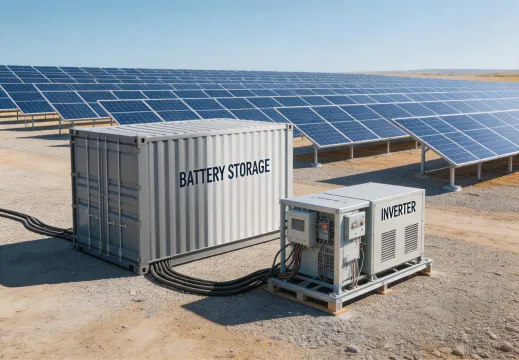
Canadian Solar product planning is organized around the way projects are actually financed, built, and operated. A utility-scale plant needs bankable modules, repeatable delivery, and lender-ready compliance files. A commercial rooftop needs strong energy density, clear installation limits, and a support team that can respond before crews are blocked. A solar plus storage asset adds usable capacity, thermal management, BMS communication, and dispatch assumptions. The application model below helps buyers frame the right conversation before selecting products.

Utility solar plant application

Utility-scale PV plants

For IPP and utility buyers, Canadian Solar supports high-volume PV module planning, batch documentation, warranty review, and delivery coordination. The focus is on reducing technical uncertainty before financial close and helping EPC teams match module blocks to racking, string design, and installation sequence.

Commercial rooftop solar application

Commercial rooftop energy

C&I projects benefit from high-efficiency modules, straightforward packaging, and documentation that facility owners can understand. Canadian Solar helps procurement teams clarify product warranty, expected degradation, mechanical loading notes, and installation support before equipment reaches the roof.

Solar plus storage application

Solar plus storage assets

Storage-linked projects require careful coordination of PV output, usable kWh, inverter interface, thermal conditions, and commissioning responsibilities. Canadian Solar supports early conversation around BESS documentation, energy shifting goals, and lifecycle maintenance expectations.

25 yrlinear power warranty language for module planning
3core categories: PV modules, storage, and inverter-ready systems
Globalproject support for regional compliance review
36htypical response target for technical clarification

Match Canadian Solar scope to the application before quoting

Share site type, expected DC capacity, storage requirements, grid-code market, target commissioning date, and procurement constraints. The result is a more useful product review and a cleaner path from specification to installation.